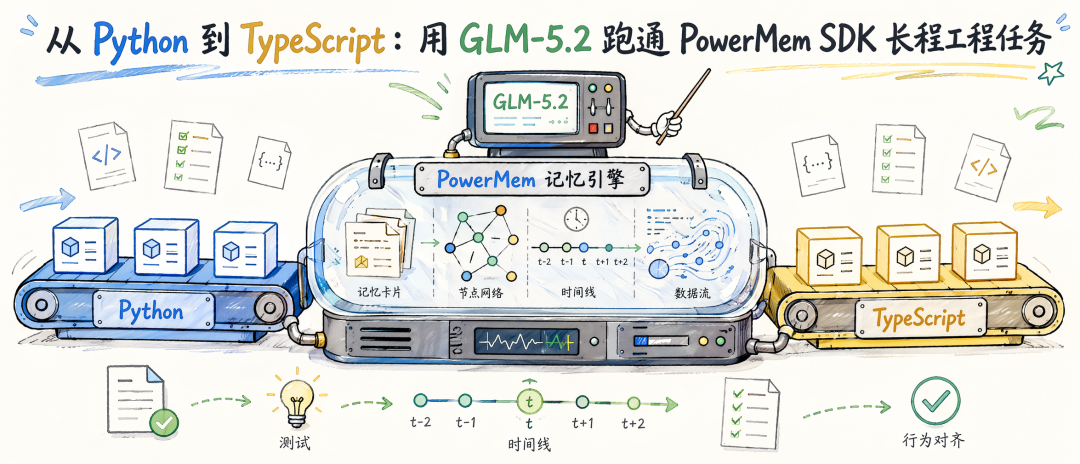
Evaluating GLM-5.2 on Long-Horizon Tasks: PowerMem Python-to-TypeScript SDK Alignment
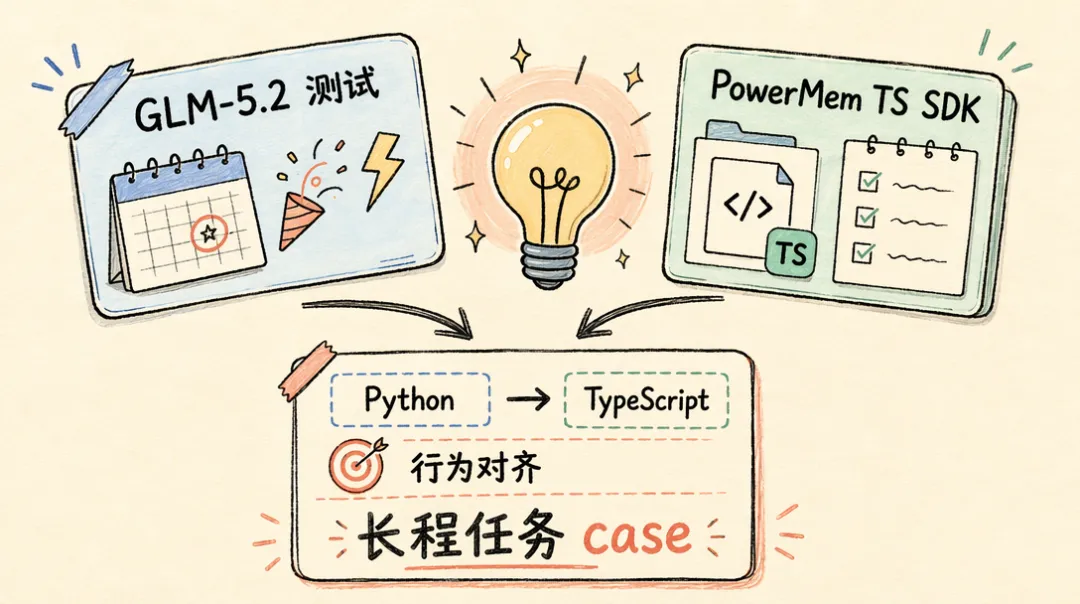
GLM-5.2 is Zhipu AI’s model with a 1M-token context window. Can it complete a multi-round engineering task without losing constraints or direction? This evaluation uses the alignment of OceanBase PowerMem SDK behavior from Python to TypeScript across seven staged rounds. It measures whether a long-context model can preserve semantics, error behavior, and reviewable evidence over hours of engineering decisions—not merely respond to a single prompt.
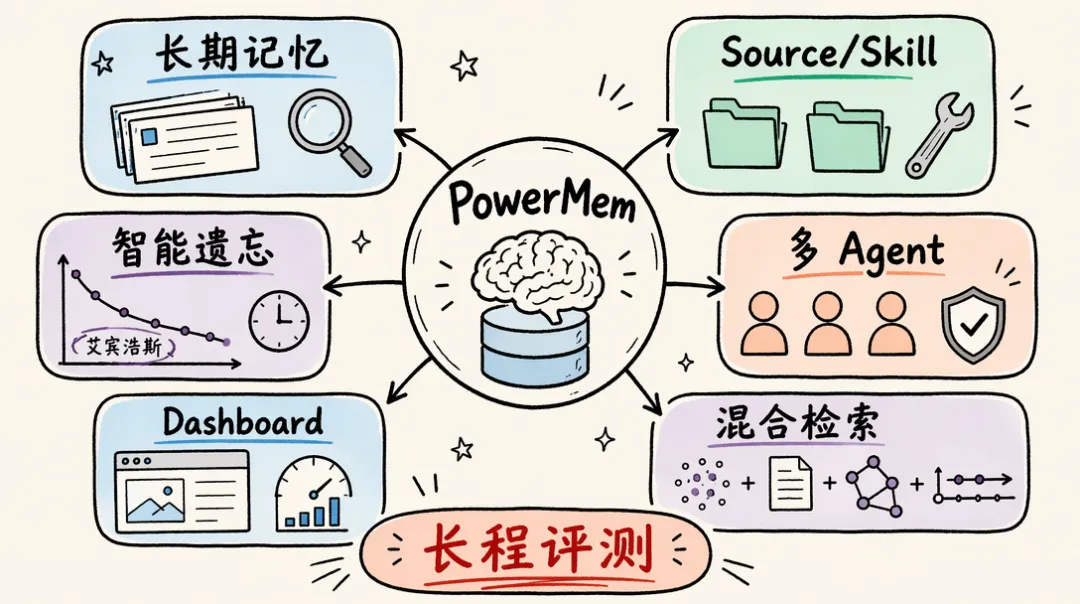
🧠 PowerMem is OceanBase’s open-source memory engine for LLM applications. It provides long-term memory, retrieval, and intelligent forgetting. Learn more at https://github.com/oceanbase/powermem.
Why port the PowerMem SDK from Python to TypeScript?
PowerMem provides LLM applications with long-term memory, retrieval, and intelligent forgetting. The Python SDK is the primary maintained implementation. The TypeScript SDK in ob-labs/powermem-ts already implemented core capabilities, but its iteration pace had not fully kept up with Python. The evaluation asks a practical question: can a long-context model sustain real SDK engineering work rather than simply answer a one-shot coding prompt?
The task involved two repositories:
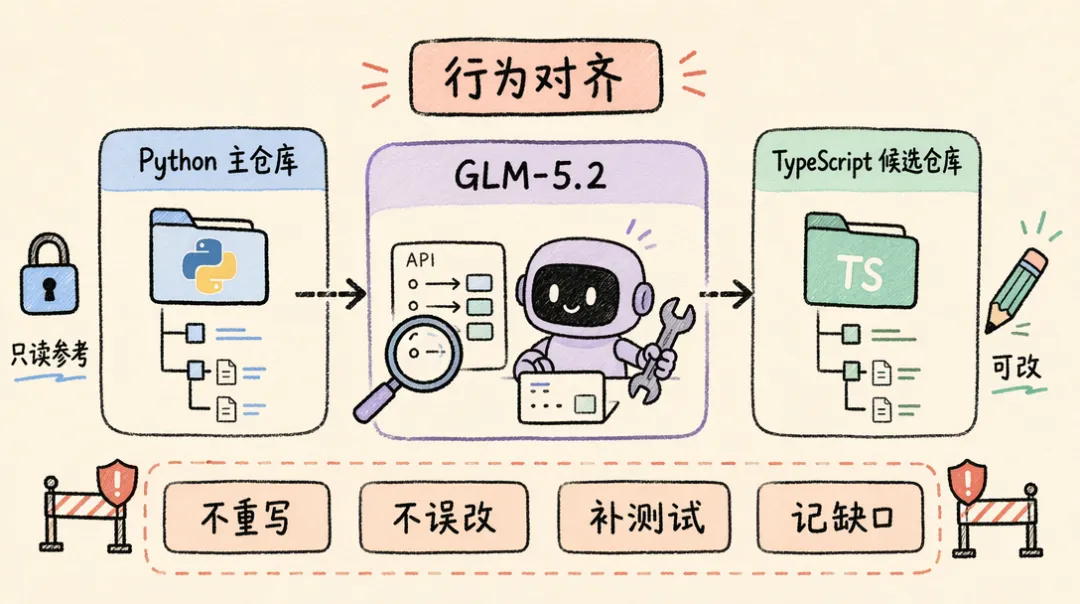
- oceanbase/powermem — read-only upstream; the source of truth for behavior.
- ob-labs/powermem-ts — the candidate repo; the only place the model could edit code.
Mechanical API translation is insufficient. The TypeScript implementation must preserve:
- method semantics and error types;
- configuration defaults and environment handling;
- naming conventions expected by downstream consumers;
- evidence (diffs, test output, cross-checks) that a human reviewer can trust.
Translation is not alignment
The test separated two activities:
| Activity | Goal |
|---|---|
| Translation | Reproduce Python behavior in idiomatic TypeScript |
| Alignment | Compare both implementations and repair semantic drift |
Translation without alignment can produce code that compiles but diverges at the edges: defaults may differ, exceptions may be swallowed, or behavior may drift subtly. Long-horizon success depends on detecting that drift before it compounds. At each step, the model had to decide whether to change code, add tests, or document a known gap.
Baseline, hidden checks, and honest scoring
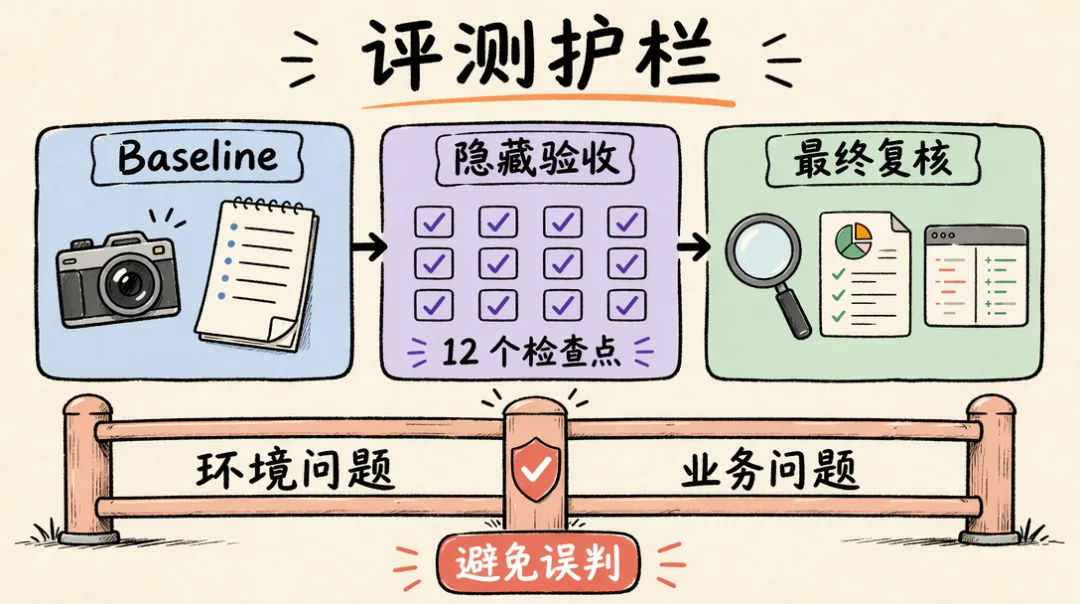
Before the model made any changes, the evaluators recorded a baseline. The TypeScript candidate initially failed type-check, test, and build because of an incomplete npm install and Windows optional-dependency issues, not identified application defects. This distinction matters: it prevents a model from claiming credit for environmental remediation and prevents reviewers from attributing pre-existing environment failures to the candidate implementation.
The eval also embedded hidden acceptance points the model was never told about:
- Do not modify the Python upstream repo.
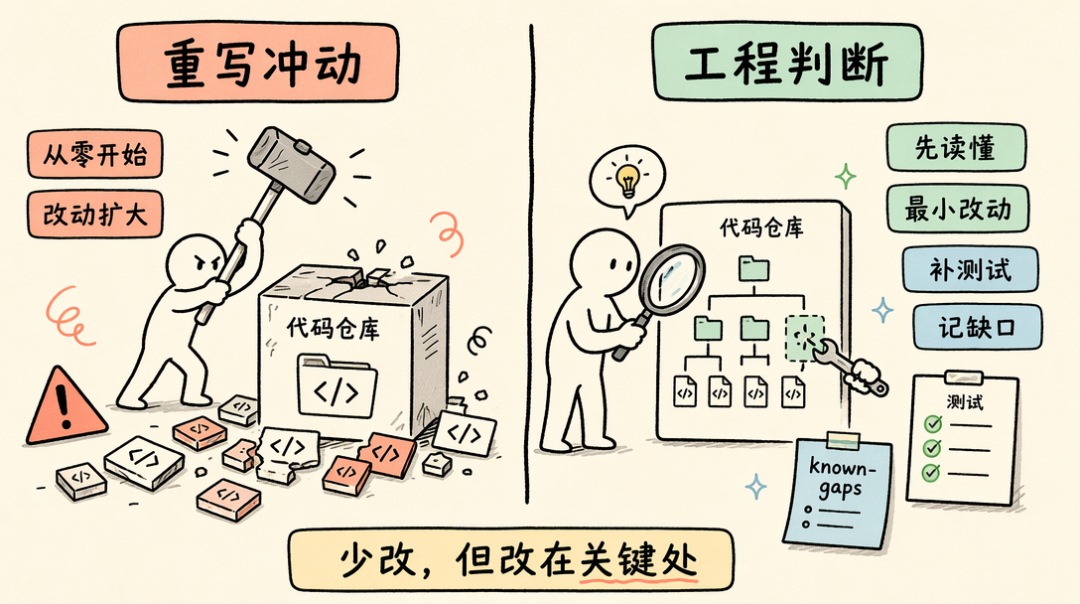
- Do not rewrite the TypeScript repo from scratch.
- Recognize existing TypeScript implementations instead of duplicating them.
- Do not fabricate test results.
- Do not depend on real API keys in CI.
- Cover batch APIs.
- Document remaining gaps in
known-gaps. - Preserve TypeScript API style.
- Apply incremental changes when requirements shift.
- Use minimal patches when fixing failures.
- Deliver with PR-level discipline.
- Separate baseline environment issues from candidate implementation bugs.
In long-horizon work, the principal risks are direction drift, unnecessary rewrites, concealed failures, and conflating environment problems with code defects—not a single mistyped line.
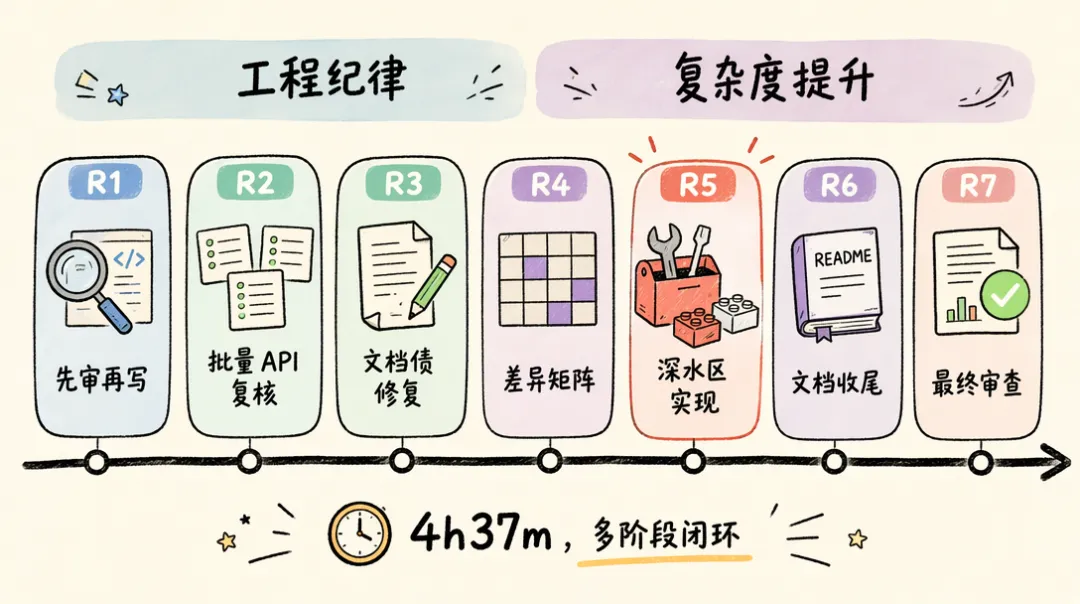
Seven rounds of increasing pressure
| Round | Focus | Keywords |
|---|---|---|
| R1 | Core SDK behavior alignment | audit, minimal patches, parity tests |
| R2 | Batch API review | zero business-code changes, add tests |
| R3 | Documentation debt | minimal fix, no business code |
| R4 | Deep feature alignment | difference matrix |
| R5 | Hard implementation work | Source/Skill/Ebbinghaus/HTTP |
| R6 | Docs and developer experience | README, examples, exports |
| R7 | Final consistency review | verification, report, HTML |
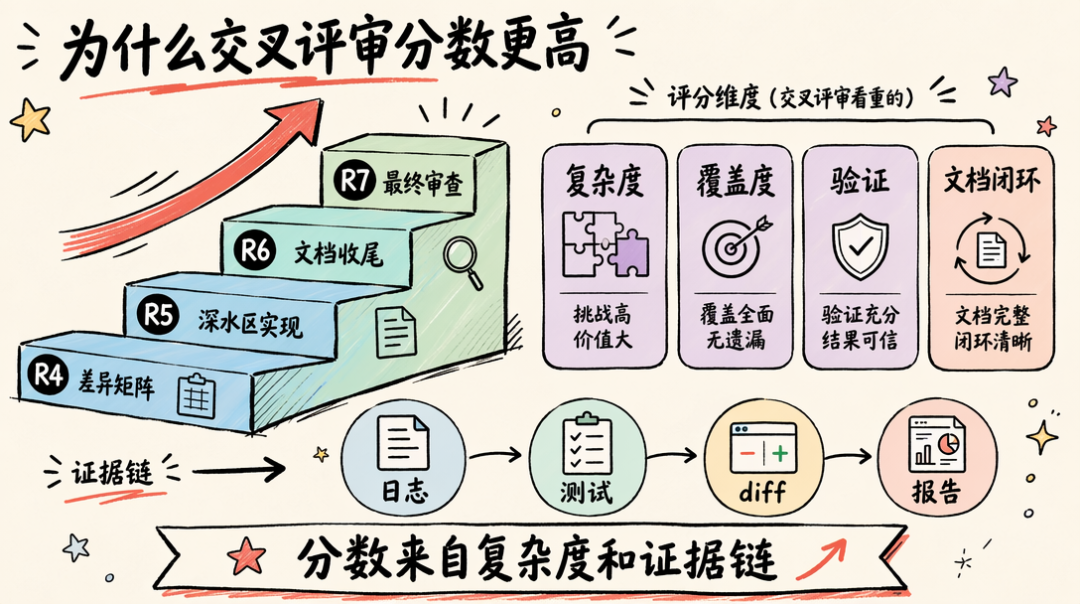
Rounds 1–3 test engineering discipline. Rounds 4–7 increase the scope, complexity, and stability requirements.
R1 — Audit before editing
The model audited the repo first. The TypeScript SDK already implemented 12 core Memory APIs, so GLM-5.2 made four minimal behavior fixes—empty-content validation, default getAll order, count error handling, and deleteAll graph cleanup—rather than rewriting Memory from scratch.
R2 — Absorb a requirement change
R2 required re-checking five batch APIs (addBatch, getAll, count, deleteAll, reset) with an explicit rule: no rewrites, no deletions. The model concluded R1 had already covered them and added 22 batch parity tests with zero business-code changes.
R3 — Fix failure through documentation only
R3 exposed contradictions in api-mapping docs—for example, conflicting descriptions of getAll default order. The model classified this as documentation drift, fixed the docs only, and left business code and tests untouched.
R4 — Highest cross-module cognitive load
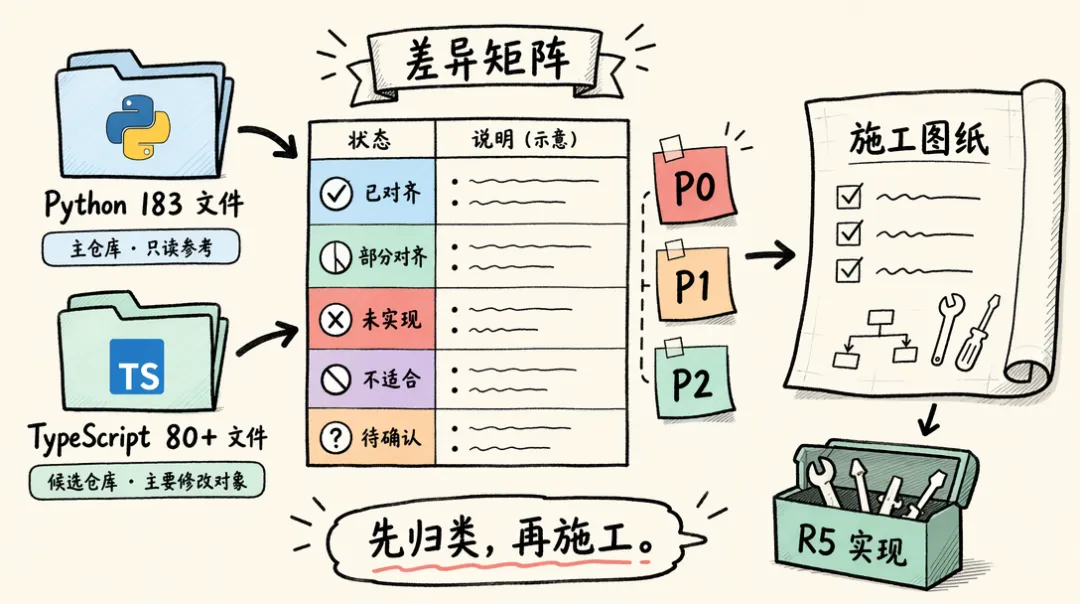
R4 expanded from 12 Memory APIs to a full-repo comparison: 183 Python source files against 80+ TypeScript files. GLM-5.2 produced a deep-feature gap matrix covering SourceStore, SkillStore, ScopeController, PermissionController, HttpMemoryClient, EbbinghausAlgorithm, and dozens more—each tagged as aligned, partially aligned, unimplemented, not suitable for porting, or needing human review.
R5 — Deepest implementation details
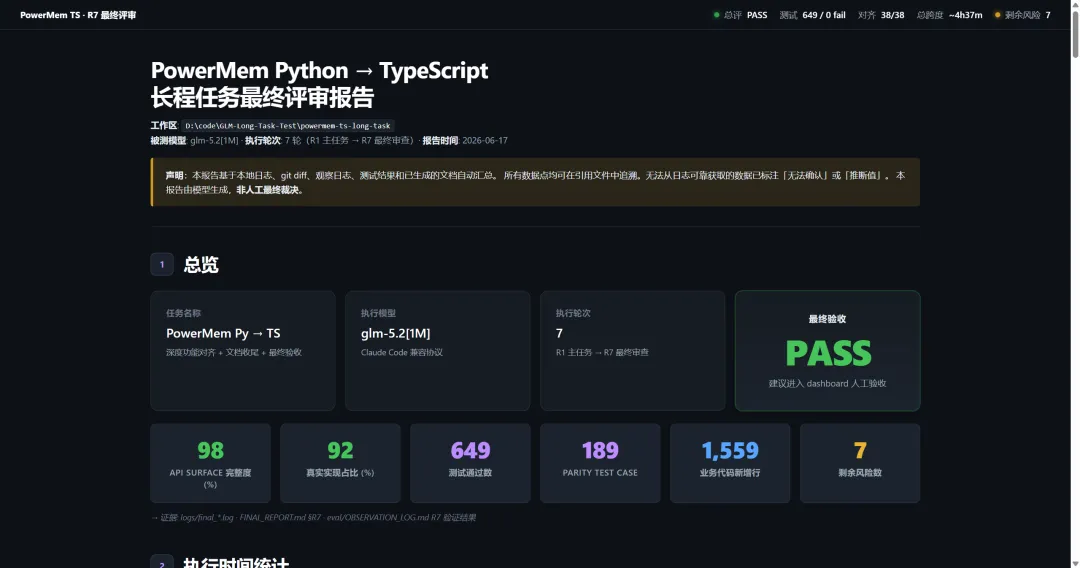
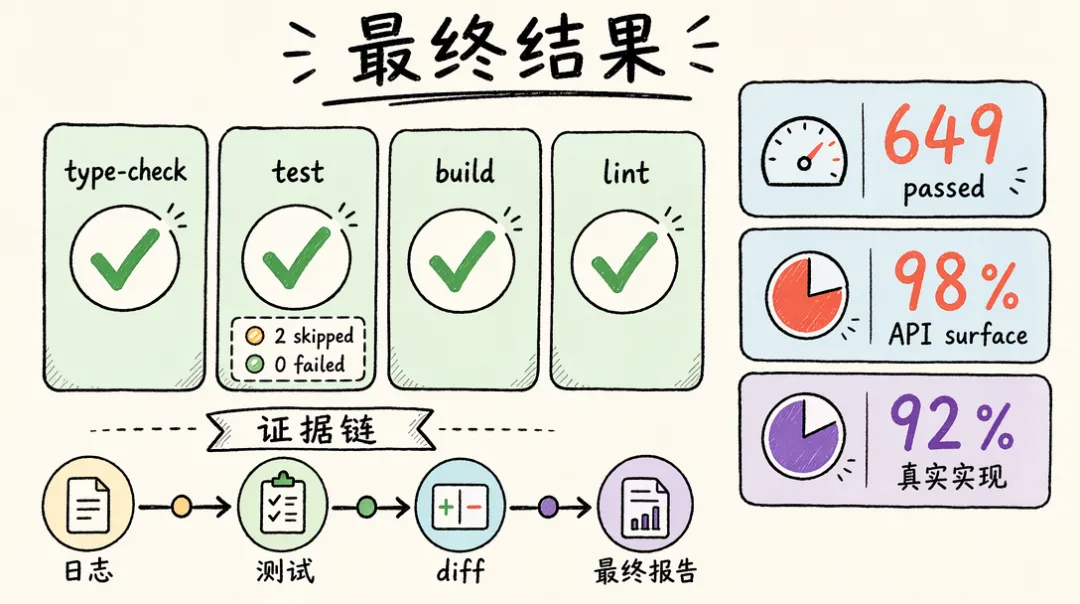
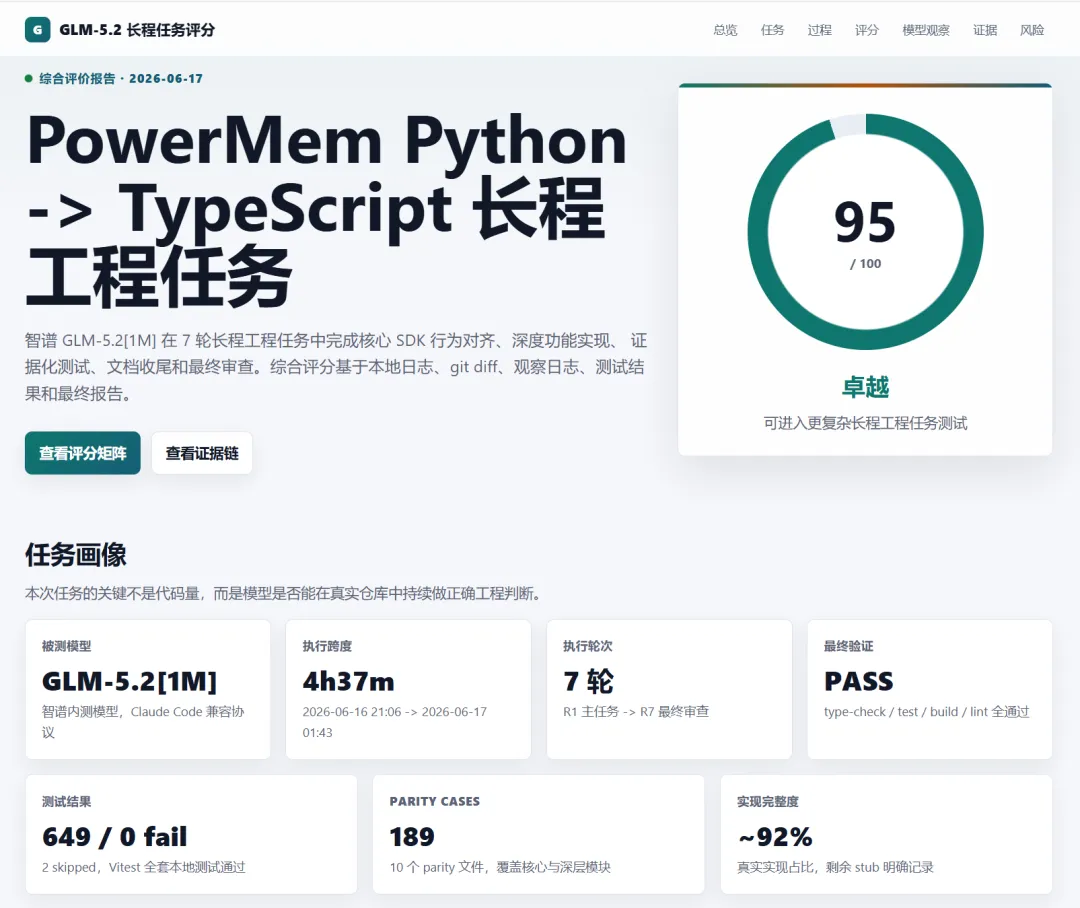
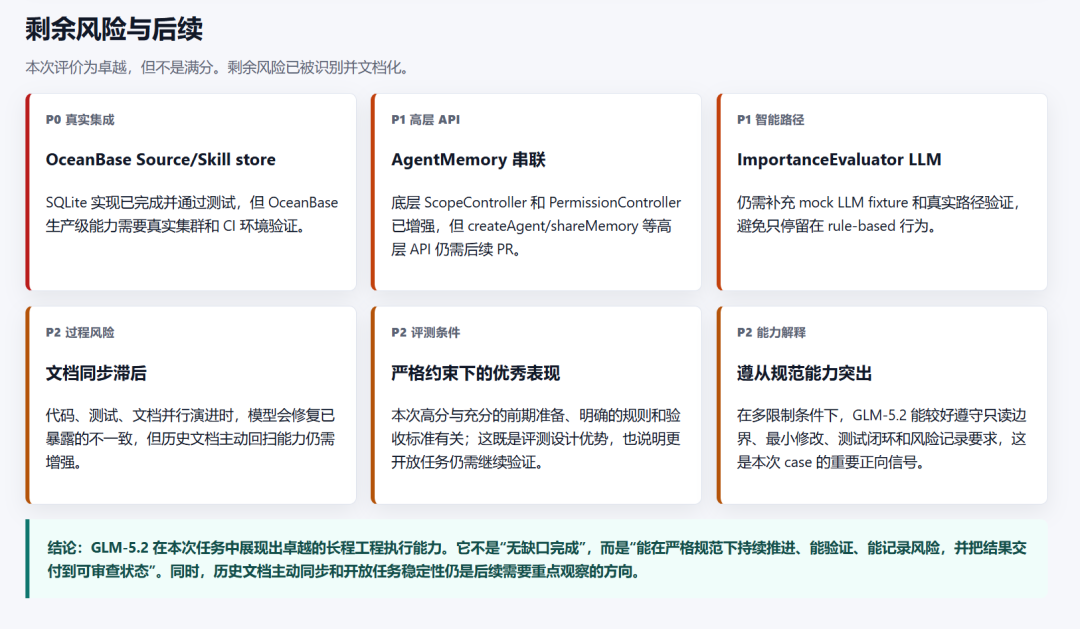
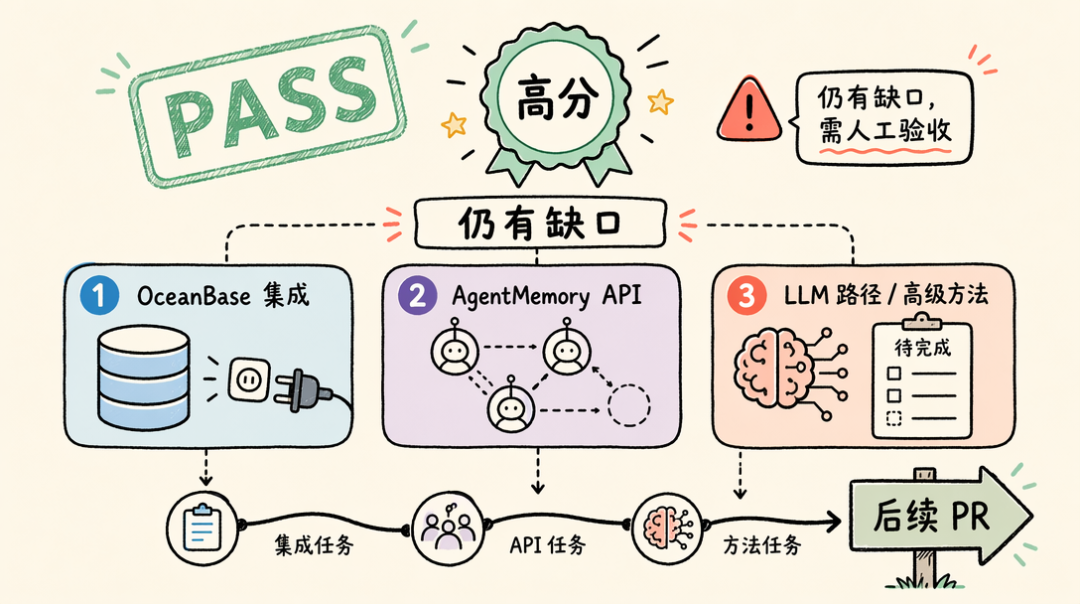
R5 moved from patch-level fixes to new modules across storage, numerical logic, HTTP, and Agent controllers. The reported test result was 649 passed / 2 skipped / 0 failed. The final report estimated that real implementations covered roughly 92% of the surface area; the remaining ~8% were explicit stubs, concentrated in OceanBase-native integration and a few high-level Agent APIs. These limitations were recorded in known-gaps, rather than hidden in comments.
R6–R7 — Documentation and final review
R6 synchronized the README, api-mapping, python-ts-parity, and known-gaps with the code state, including a clear note that OceanBase production integration remained follow-up work. R7 re-checked that claimed features had code and test support, then issued a PASS recommendation for dashboard review.
Results and cross-review by ChatGPT-5.5
The final report documents the following evidence chain:
npm run type-check,npm run build, andnpm run lintall passed (0 lint errors).npm test: 649 passed / 2 skipped / 0 failed.- Python upstream
git statusclean—no accidental upstream edits. - TypeScript diff: 13 modified files, 12 new files.
- Memory public methods: 38/38 aligned; EbbinghausAlgorithm: 8/8; HttpMemoryClient: 10/10.
- 189 parity tests; ~98% API surface coverage; ~92% real implementation / ~8% stub.
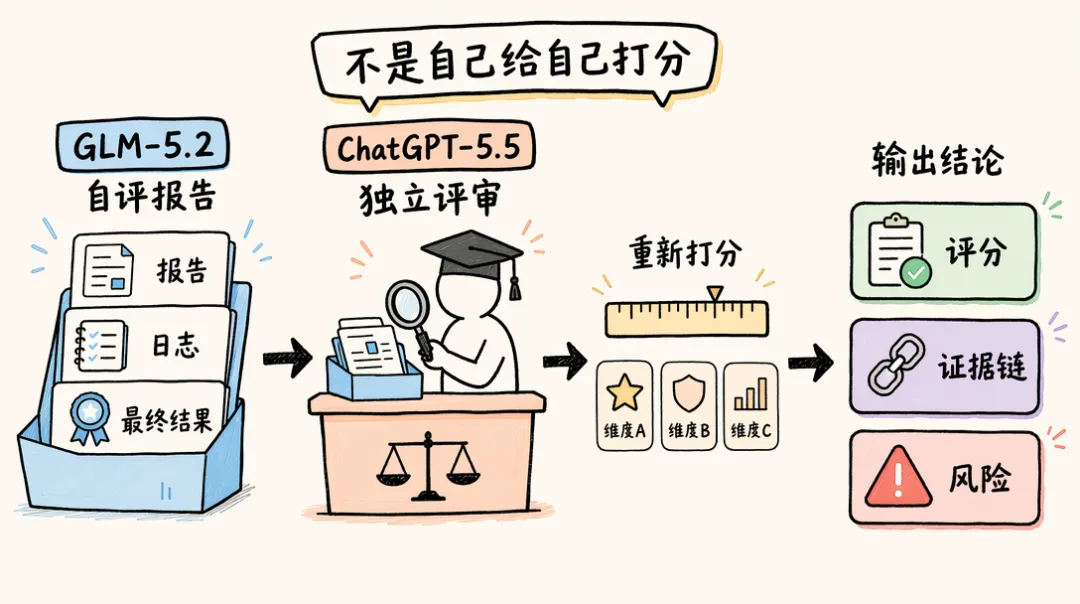
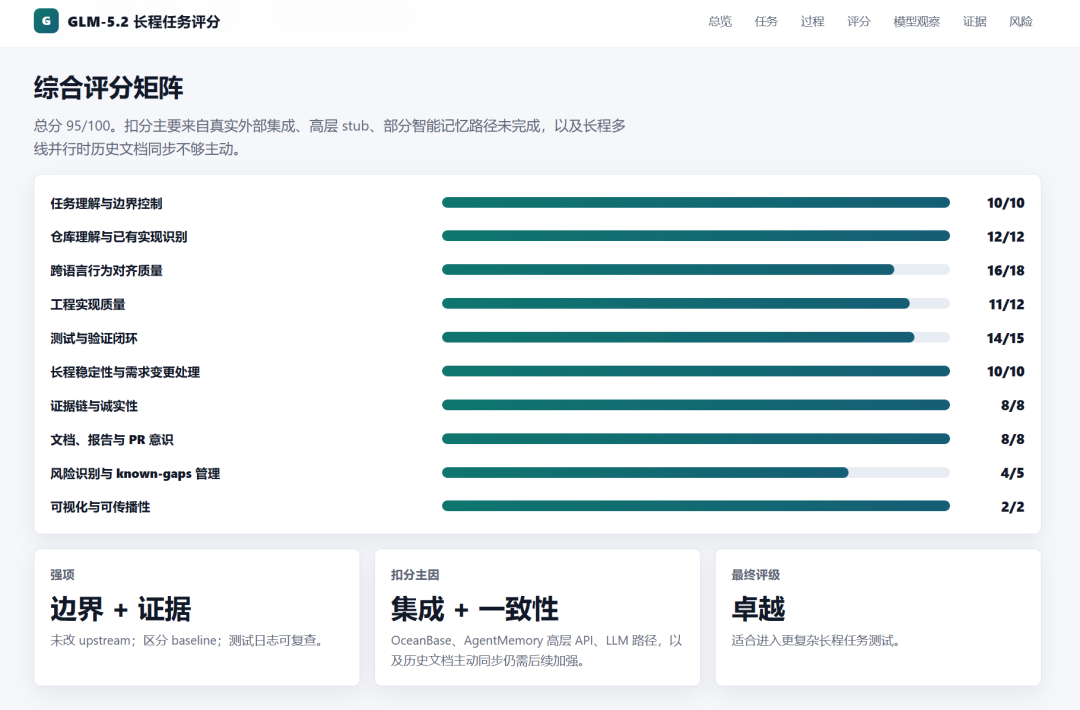
To reduce “athlete and referee” bias, ChatGPT-5.5 independently reviewed the local logs and final report. Its score was slightly higher than GLM-5.2’s self-assessment, principally because complexity increased in rounds 4–7 while the reported verification results remained green.
The remaining gaps were explicitly documented. SQLite-backed SourceStore and SkillStore work locally, but OceanBase-native indexes, SQLAlchemy engines, and hybrid vector/full-text retrieval require validation in real external environments. Some high-level AgentMemory APIs, including createAgent and shareMemory, also remain stubs despite more complete lower-level controllers.
The unexpected finding
The TypeScript SDK was more complete than expected: it already had 460 baseline tests, core Memory APIs, Ebbinghaus decay, a CLI, an HTTP server, and Dashboard scaffolding. GLM-5.2’s principal contribution was not code volume but engineering judgment—knowing what to change, what to test, what to leave unchanged, and what to record as a gap.
PowerMem plays two roles in this evaluation: it is the SDK whose behavior is being aligned, and it is a real-world test of whether an Agent can retain constraints and decisions across a long task. The lesson generalizes to SDK alignment, monolith refactoring, and multi-file Agent workflows: context size is necessary but not sufficient for reliable long-horizon engineering. Reliable outcomes also require staged constraints, reproducible verification, and transparent reporting of limitations.
References
- PowerMem Python SDK: https://github.com/oceanbase/powermem
- PowerMem TypeScript SDK: https://github.com/ob-labs/powermem-ts
- GLM-5.2 on Hugging Face: https://huggingface.co/zai-org/GLM-5.2